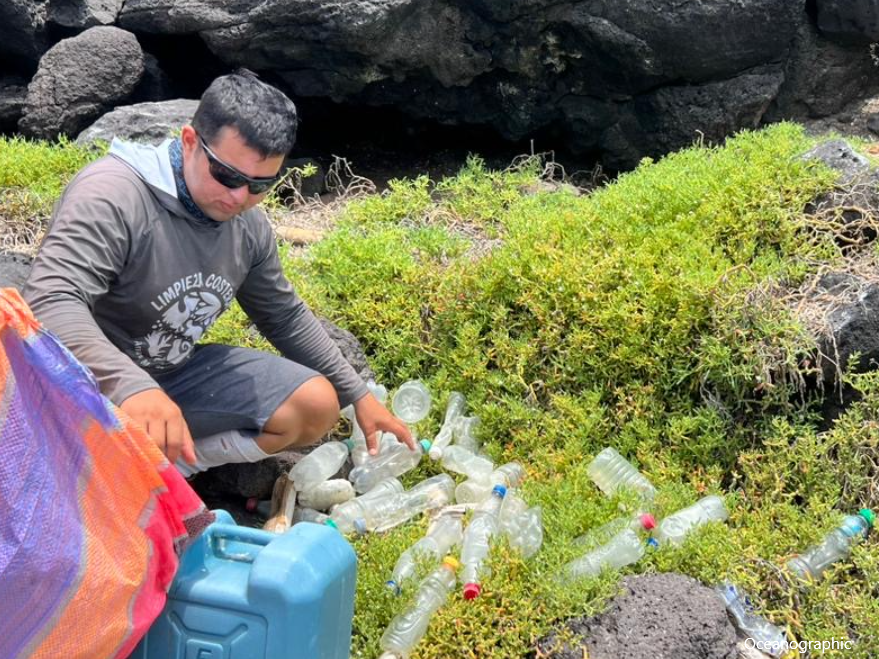
Glimpses of paradise shielding wildlife from human exploitation, marine reserves are touted as humanity’s best bet for saving the oceans. But, with time running fast towards the 30×30 target and the dust now settling on this year’s UN Ocean Conference, the question at stake is how do we truly protect them from their invisible enemies?
Designed in various forms and with different conservation purposes, Marine Protected Areas (MPAs) can range from highly regulated – known as no-take zones – to ‘paper parks’ that exist only on maps.
Somewhere in the middle, most marine reserves have a level of activity allowed, with varying degrees of oversight. With the shocking images of bottom trawling – shown for the first time in the latest Attenborough documentary – etched into our minds, the level of activity that governments encourage in most marine reserves is a significant matter of debate.