by Sprep-Admin

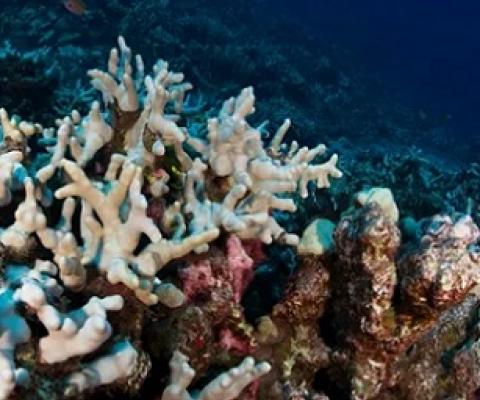
Scientists have launched a world-first system to detect in almost real time the bleaching of the planet’s coral reefs that are under severe threat from global heating.

by Sprep-Admin

A new report from the United Nations Environment Programme and the International Union for Conservation of Nature reveals that countries are closing in on the target set in 2010 of protecting or conserving 17% of the Earth’s surface.

by Sprep-Admin

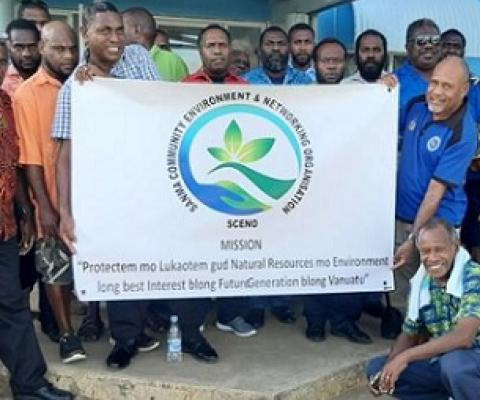
The SANMA Community Environment & Networking Organization (SCENO) is now registered under the Vanuatu Financial Services Commission (VFSC).

by Sprep-Admin

The natural world is in a state of crisis, and we are to blame. We are in the midst of the Sixth Extinction, the biggest loss of species in the history of humankind.

by Sprep-Admin

What does conservation look like without women? Research demonstrates that conservation efforts are more likely to succeed when women are involved, but in Melanesia, men are traditionally seen as the head of the household and as decision makers, so for years the Arnavon Community M

by Sprep-Admin

Alternatives to marine protected areas could help meet global conservation target by 2030.

by Sprep-Admin

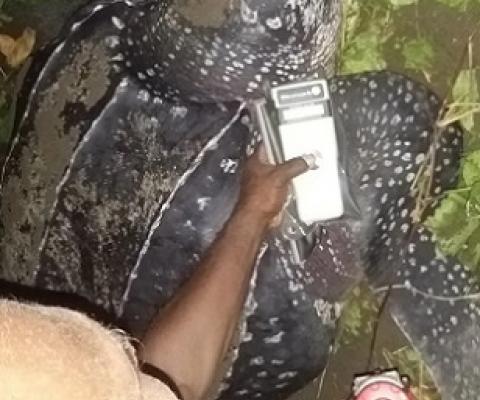
What used to be a turtle slaughtering ground for a coastal community in the Solomon Islands in the past is now a safe sanctuary for the leatherback, the largest sea turtle species on earth. The Haevo Khulano Integrated Conservation area in Isabel Province was established in 2013 following in

by Sprep-Admin

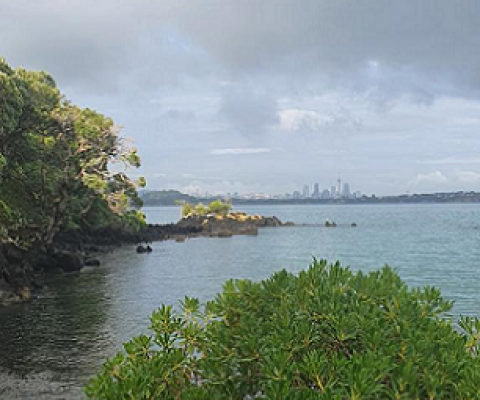
The hunt is on for two remaining stoats causing havoc on Motutapu Island. The island has suffered four stoat invasions in one year, with evidence suggesting the stoats swam there...The Department of Conservation (DOC) and Ngāi Tai ki Tāmaki are now focused on trapping the two remaining stoat

by Sprep-Admin

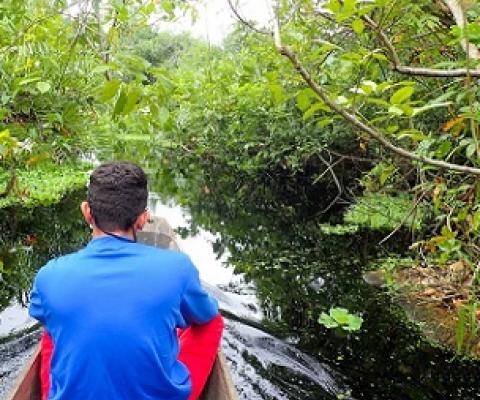
For the first time since scientists recognized the carbon-sequestration power of mangroves, known as blue carbon, the carbon value of a mangrove ecosystem – a 11,000-hectare mangrove forest in Cispata, Colombia – has been fully calculated.

by Sprep-Admin

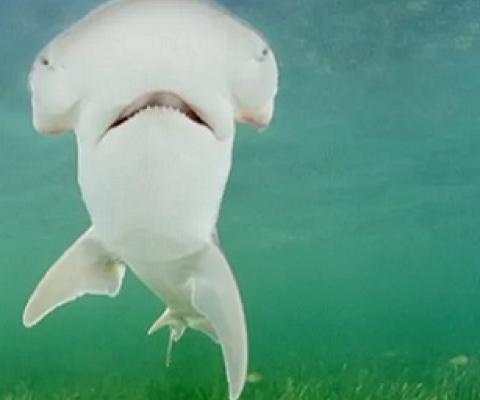
Scientists in Florida have concluded that sharks possess an internal navigation system similar to GPS that allows them to use Earth’s magnetic forces to travel long distances with accuracy.

More News & Sources of Information

The following are excellent sources for the latest news, literature, webinars, videos and audio on marine protected areas, marine pollution, marine management, ocean and marine planning, ecosystem-based management, grants, jobs, and much more.  Click each icon to learn more and to subscribe.

Image

octo group


Image
marine ecosystems and management