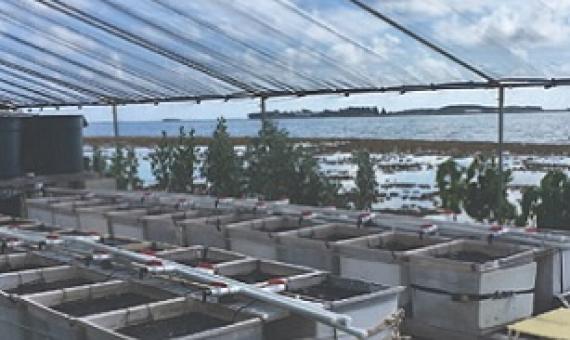
New research led by scientists at the University of Hawai'i (UH) at Mānoa reveals that the species which dominate experimental coral reef communities shift due to climate change, but the total biodiversity does not decline under future ocean conditions of warming and acidification
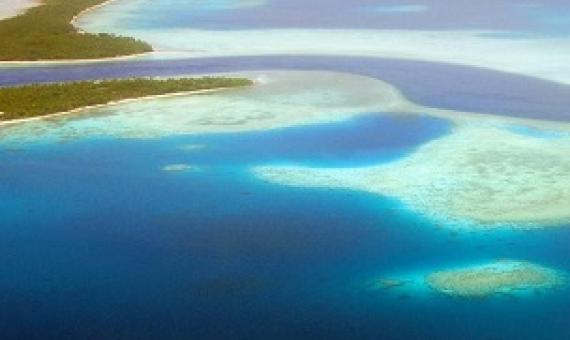
Global decline in capacity of coral reefs to provide ecosystem services
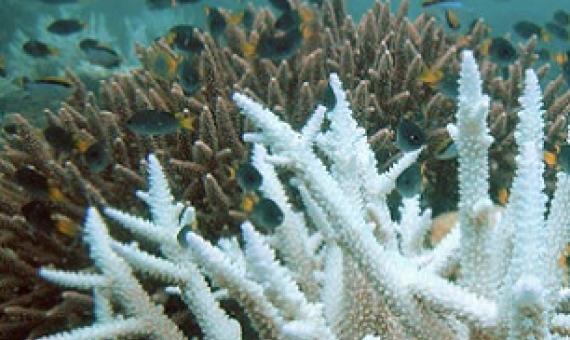
Coral reefs worldwide are facing impacts from climate change, overfishing, habitat destruction, and pollution. The cumulative effect of these impacts on global capacity of coral reefs to provide ecosystem services is unknown. Here, we evaluate global changes in extent of coral reef habitat, coral reef fishery catches and effort, Indigenous consumption of coral reef fishes, and coral-reef-associated biodiversity. Global coverage of living coral has declined by half since the 1950s.
Some months ago, I was part of a special ocean and culture story-telling workshop on my home island of Erromango, in southern Vanuatu.
The International Day of Peace, celebrated on September 21st, is an open invitation to cease hostilities in the world. It is also a moment to reflect on how people interact with the environment on land and at sea.
A new study estimates that global coral cover is half what it was in the 1950s, with much of that loss linked to human-driven climate change. The shrinking of coral cover has translated into a 60% loss in reef biodiversity.
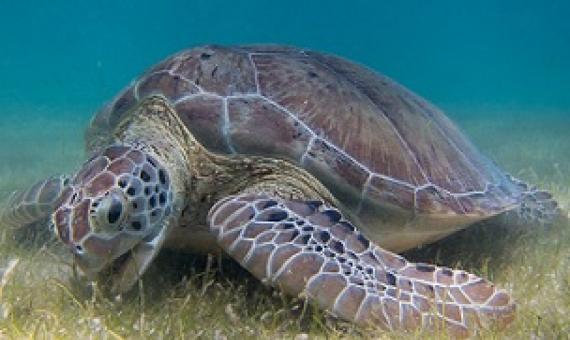
Humanity is quickly crossing critical planetary boundaries that threaten sea turtle populations, their ecosystems and, ultimately, the “safe operating space” for human existence.
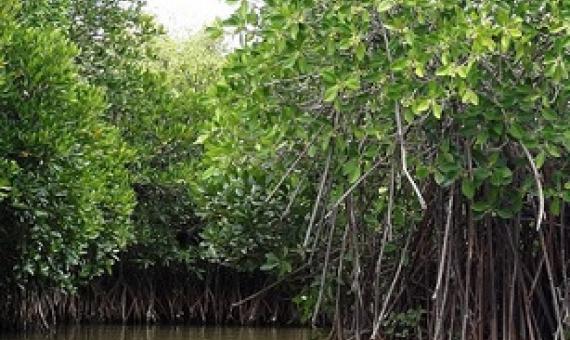
The study, published in Scientific Reports, says that mangrove ecosystems have high rates of carbon sequestration which is reflected in their vast aboveground biomass and soil carbon content...Dina Nethisa Rasquinha, lead author of the study...says that the study provides
Globally, tree-planting projects are becoming all the rage, but many are counting on old habits of planting monoculture plantations and calling them forests...Reforestation and restoration projects will require monitoring and scrutiny to make sure they are living up to their commitments in regard
A team of leading researchers have produced global maps for the six main threats affecting terrestrial amphibians, birds and mammals: agriculture, hunting and trapping, logging, pollution, invasive species, and climate change.
A NZD$7.2 million Climate Resilient Islands Programme focusing on nature-based solutions to climate change in rural communities in Tonga was launched, in Nuku'alofa on September 7...Nature-based solutions include replanting mangroves, reforestation and natural resource management includ