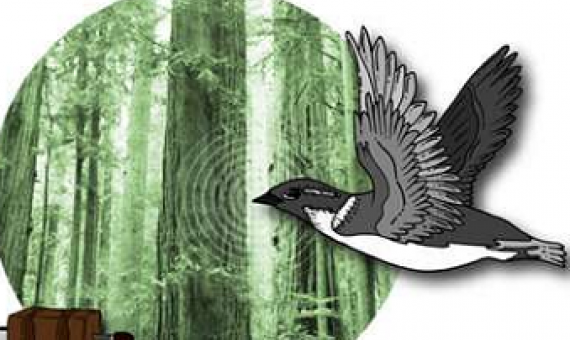
Automated cameras and other sensors deployed in the wild are transforming the way biologists monitor natural ecosystems and animal populations.
Automated cameras and other sensors deployed in the wild are transforming the way biologists monitor natural ecosystems and animal populations.
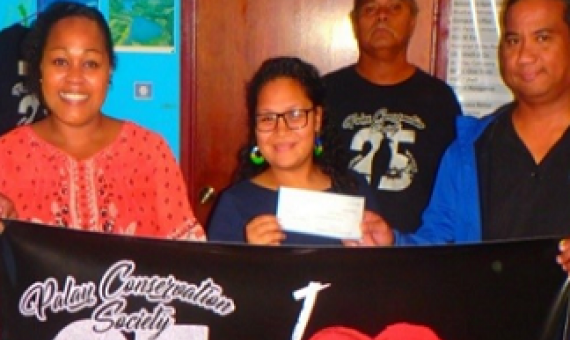
Blue Bay Petroleum Inc. continues the celebration of its ten-year anniversary of operations in Palau by supporting conservation.

The Oceania Regional Conservation forum entails a week full of debates, discussions and decisions which will be the input imposed on the 2020 global biodiversity framework.
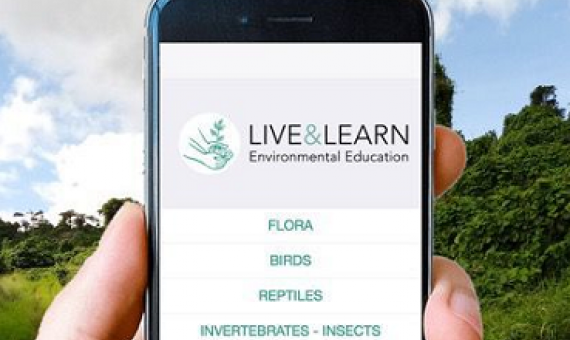
Since May 2018, Live and Learn Vanuatu (LLV) has been working with five registered Community Conservation Areas in Vanuatu in partnership with the Department of Environmental Protection and Conservation (DEPC) and Eco-livelihood Association (EDA) to develop a Biodiversity monitoring toolkit and C
The oceans are facing more threats now than at any time in history. Yet a nascent industry is ramping up to exert yet more pressure on marine life: deep sea mining. A handful of governments and companies have been granted licences to explore for deep sea mining in ecologically sensitive waters, and the industry is positioning its development as inevitable, but deep sea mining isn’t happening anywhere in the global oceans – yet.
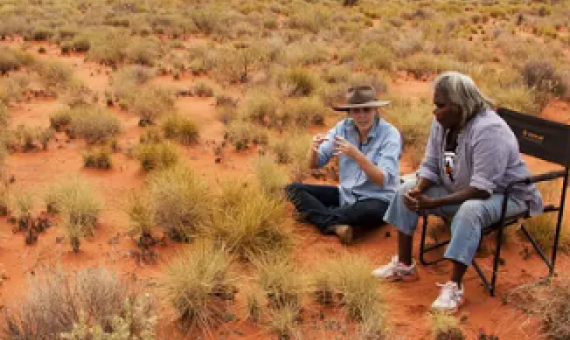
Meet the Indigenous rangers teaching scientists a thing or two in central WA...The Birriliburu rangers have been managing the area since 2013, continuing a tradition that stretches back 25,000 years. Click on the link below to read the full article.

This timely project will bring together perceptions from Experts in the field involved in conservation in protected and conserved areas...This project seeks to contribute to discussions towards transformative change in spatial conservation and is being carried out with the University of Cambridge
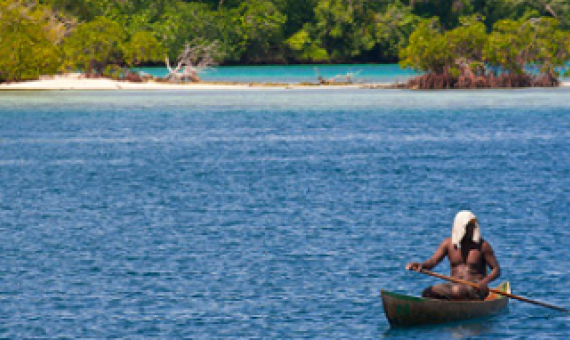
Tetepare Island is a rugged place in the western Solomon Islands that’s cloaked in rainforest and fringed with biodiverse reefs. It’s home to turtles, crocodiles and many endangered species. It’s also one of the last remaining nesting grounds for the giant leatherback turtle.
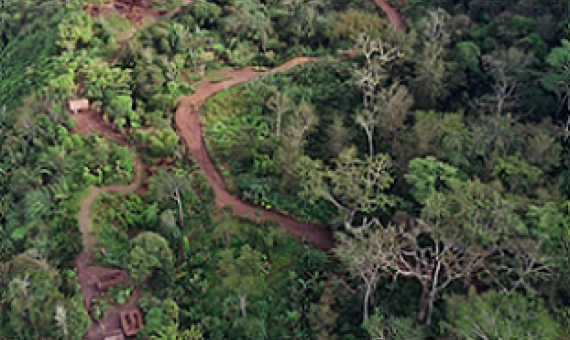
Much of Papua New Guinea remains inaccessible by road and the existing roads are often in poor condition.While lack of road access has historically helped to keep ecosystems intact, it comes with both social and environmental downsides. Click on the link below to read the full article.
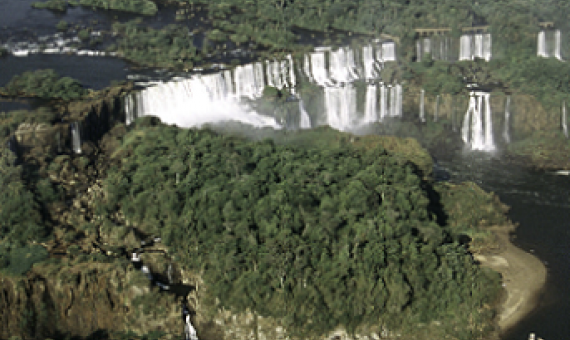
A large international team of researchers reports that the amount of land designated as protected around the globe is shrinking. In their paper published in the journal Science, the researchers describe their study of protected lands over the past 200 years, and what they found.