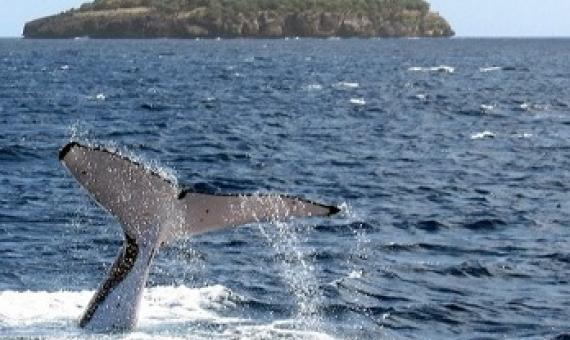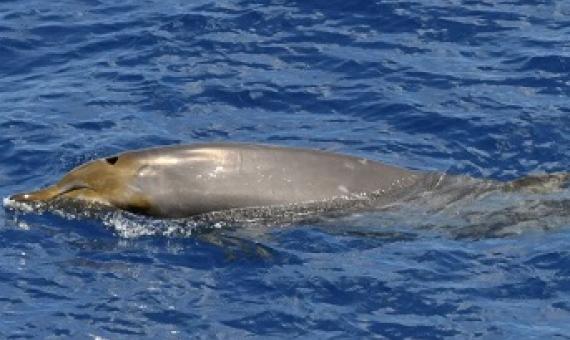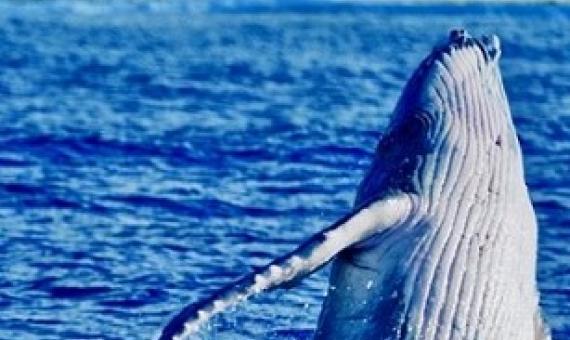
The effects of climate change may be a contributing factor in the delayed migration of humpback whales to Cook Islands waters, says a world-renowned whale researcher. Rarotonga-based whale researcher Nan Hauser says she’s observed 2020’s annual migration to be roughly six weeks late.
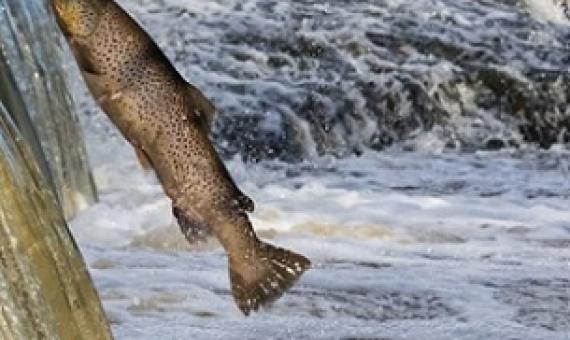
A new report finds that migratory freshwater fish species have declined on a global scale by 76% since 1970, with the highest drops experienced in Europe.
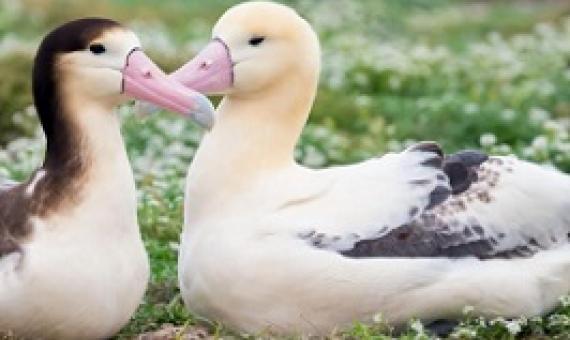
For me, one of the most interesting things about birds has always been how they can serve as a vehicle for human stories. Birds are biological marvels, with beauty and abilities that are fascinating in their own right.
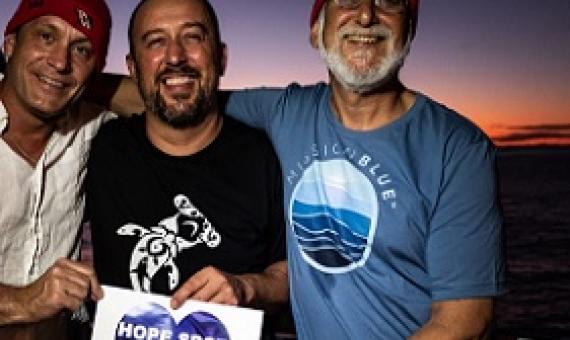
What could become one of the world’s first marine protected area connecting the UNESCO biosphere reserves of two countries has been declared a Mission Blue Hope Spot, highlighting the need for cutting-edge solutions to protect highly migratory species like sea turtles and sharks in the Eastern Tr
The coronavirus pandemic is reminding us that we live in a connected world. It’s an opportunity to revisit our relationship with nature and rebuild a more environmentally responsible world.
World Migratory Bird Day (WMBD) was initiated in 2006 as an annual awareness-raising campaign aimed at people living in all the major flyways that highlights the ecological importance of migratory birds and calls for their global conservation through international cooperation... It was
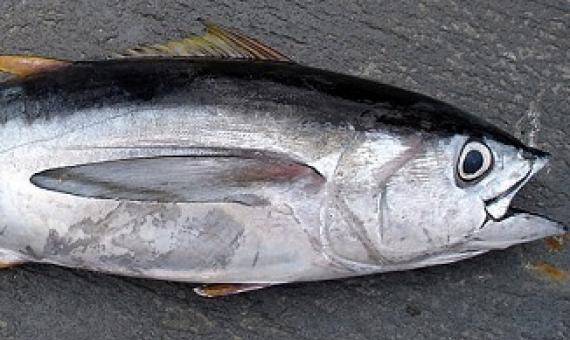
he Western Pacific Regional Fishery Management Council in Honolulu recommended that the federal catch limits for longline-caught bigeye tuna for the U.S.
Tonga has limited the number of whale watching and swimming licences it issues after a record number of applications. Tourism minister 'Akosita Lavulavu said she believed restrictions were necessary as both a conservation measure and to preserve the country's whale industry.
To the list of humans assaults on our marine environment from giant garbage islands to over-fishing, add one that you can't see: noise pollution.
World leaders are currently updating the laws for international waters that apply to most of the world’s ocean environment. This provides a unique opportunity, marine scientists argue this week, to introduce new techniques that allow protected zones to shift as species move under climate change.