United Nations List of Protected Areas 2018
The 2018 UN List provides up-to-date information on marine and terrestrial protected areas globally, and identifies those protected areas that have been the subject of management effectiveness evaluations.
The 2018 UN List provides up-to-date information on marine and terrestrial protected areas globally, and identifies those protected areas that have been the subject of management effectiveness evaluations.
All forms of tourism create environmental impacts, but these differ by orders of magnitude. At one end of the scale are minimal-impact wilderness travellers, either on foot or by water. These are permitted in many protected areas worldwide, and there is a well-tested suite of management and monitoring tools, summarised in this volume, to provide benefits to visitors without compromising primary conservation goals. At the other end of the scale are large-scale infrastructure, accommodation, and catering facilities, some of which can handle over a hundred thousand visitors a day.
Understanding the scale, location and nature conservation values of the lands over which Indigenous Peoples exercise traditional rights is central to implementation of several global conservation and climate agreements. However, spatial information on Indigenous lands has never been aggregated globally. Here, using publicly available geospatial resources, we show that Indigenous Peoples manage or have tenure rights over at least ~38 million km2 in 87 countries or politically distinct areas on all inhabited continents.
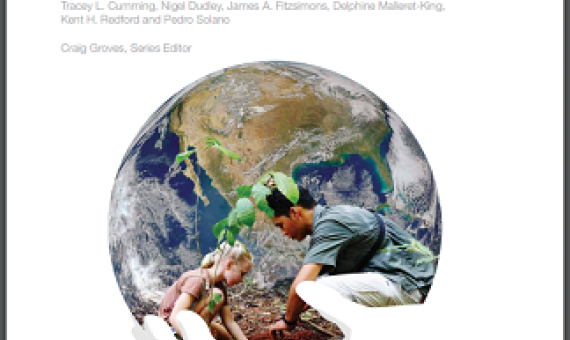
These guidelines discuss different options and instruments for establishing and managing PPAs, drawing on a diversity of PPAs from around the world. Click on the link below to access the full guidelines.
A new report demonstrates that, while we still need to be concerned about biodiversity, we have managed to create more protected areas for our wildlife than ever before and are on track to meet some important goals. Click on the link below to read the full article.
Protected areas are a key component of any global conservation strategy.

As the Convention on Biological Diversity meeting takes stock of Aichi Targets, the suggestion of bringing indigenous communities’ areas under formal protection is highly contested. Click on the link below to read the full article.
The International Union for Conservation of Nature (IUCN) has admitted 15 new natural sites to the IUCN Green List of Protected and Conserved Areas – the first global standard recognizing best practice in protected areas. Click on the link below to read the full article.
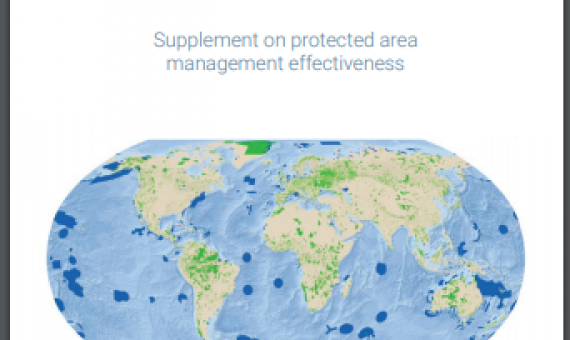
The 2018 edition of the United Nations List of Protected Areas shows that the protected area estate has continued to expand since 2014, both on land and in the marine environment. In fact, the area protected in the marine environment has nearly doubled since 2014.
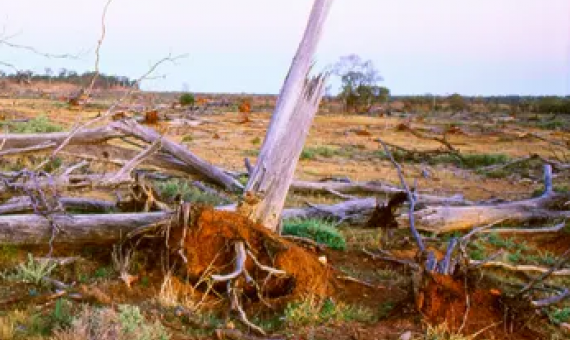
Australia is failing to meet international targets to protect nature in parts of the country where land clearing and habitat destruction are widespread, according to data in a major new United Nations report. Click on the link below to read the full article.