Narewa Mangroves, Nadi Fiji
These data indicate the mangrove point from the field visit training
These data indicate the mangrove point from the field visit training
The Best Practice Guidelines for Mangrove Restoration is a joint product developed by the Global Mangrove Alliance and the Blue Carbon Initiative, led by the University of Queensland, Conservation International, Wetlands International, Blue Marine Foundation and the International Blue Carbon Institute, along with dozens of mangrove scientists and user groups across the world.
Anthropogenic activities threaten global biodiversity and ecosystem services. Yet, area-based conservation efforts typically target biodiversity protection whilst minimising conflict with economic activities, failing to consider ecosystem services. Here we identify priority areas that maximise both the protection of mangrove biodiversity and their ecosystem services.
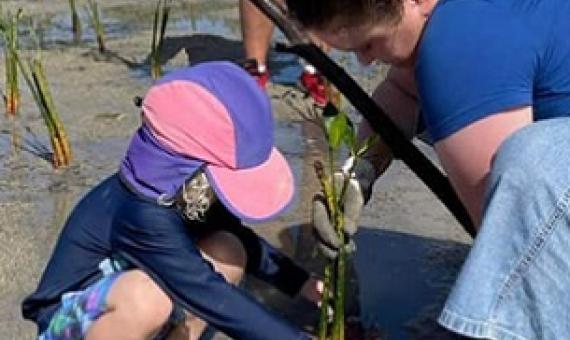
About 6,000 mangroves seedlings were planted at Sopu, in Nuku'alofa, under the 1 Million Trees project of the Department of Environment and Climate Change and NGO Tonga Citizens Science Initiative.
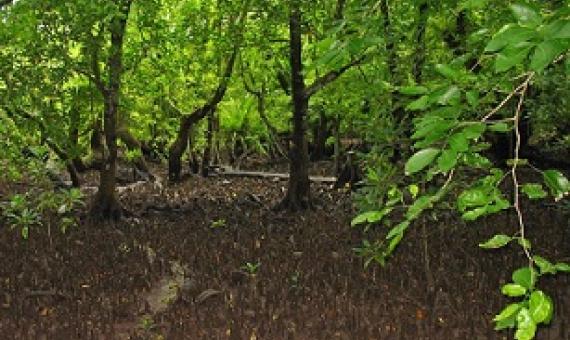
Mangroves’ high carbon storage capacity can help countries meet their carbon emission reduction targets under the Paris Agreement, while also producing benefits for local communities.
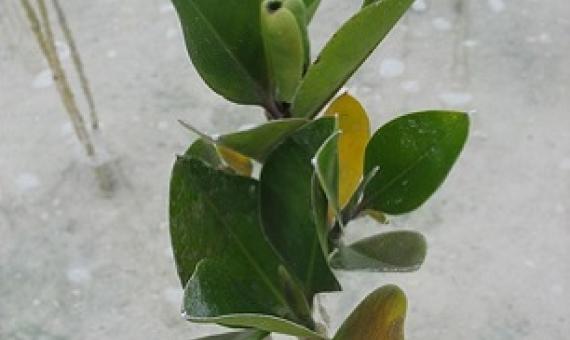
Mangroves are a link between the land and the sea. Rooted in saline water and soils exposed to the tides, these plants form a rare and fragile universe; a haven of life that must be protected.
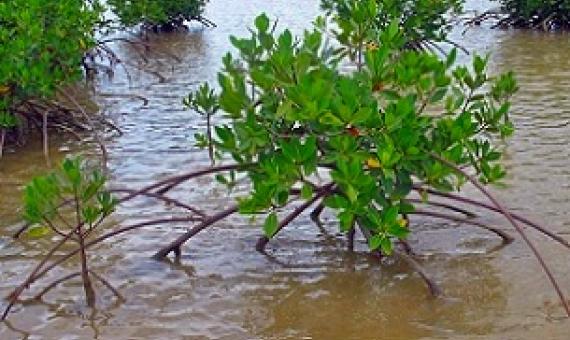
A Fijian conservationist opposing a Suva tourism development with an estimated price tag of $US300 million is encouraged that the government has indicated that the development may not get under way...The Chinese developers, Tian Lun Investment Ltd, plan to build on an area around one of Suva's la
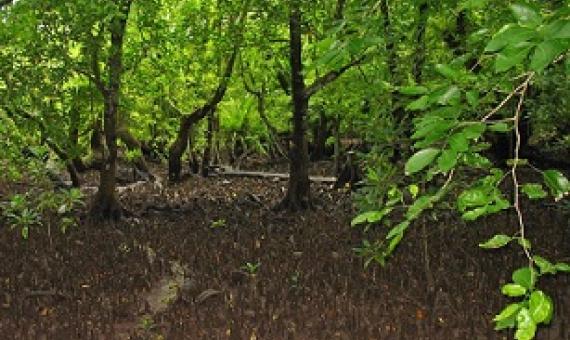
Efforts should be directed towards addressing a lack of accountability in governing mangrove marine protection areas (MPA), experts said at the ongoing fifth International Marine Protected Areas Congress in Canada.
Significant efforts have been invested to restore mangrove forests worldwide through reforestation and afforestation. However, blue carbon benefit has not been compared between these two silvicultural pathways at the global scale. Here, we integrated results from direct field measurements of over 370 restoration sites around the world to show that mangrove reforestation (reestablishing mangroves where they previously colonized) had a greater carbon storage potential per hectare than afforestation (establishing mangroves where not previously mangrove).
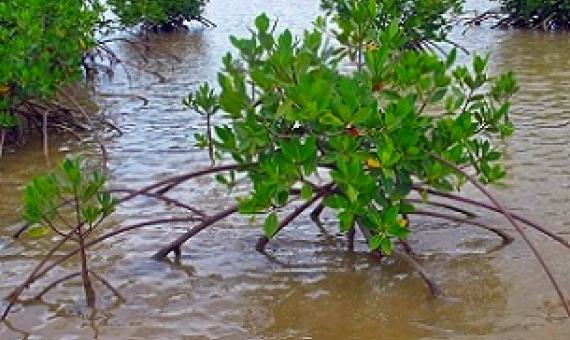
Nawi Island’s Mangrove Rehabilitation Program launched in November last year is aimed at helping to enrich qoliqoli areas and have rooted benefits within the communities and the environment.