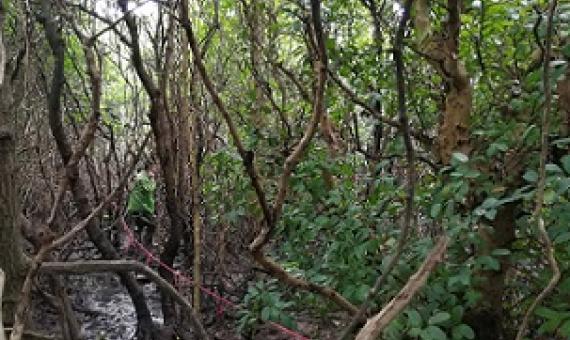
Mangrove forests with greater species diversity can store more carbon, according to new research published in the British Ecological Society journal Functional Ecology.
Mangrove forests with greater species diversity can store more carbon, according to new research published in the British Ecological Society journal Functional Ecology.
The Global Mangrove Watch (GMW) is a collaboration between Aberystwyth University (U.K.), solo Earth Observation (soloEO; Japan), Wetlands International the World Conservation Monitoring Centre (UNEP-WCMC) and the Japan Aerospace Exploration Agency (JAXA).
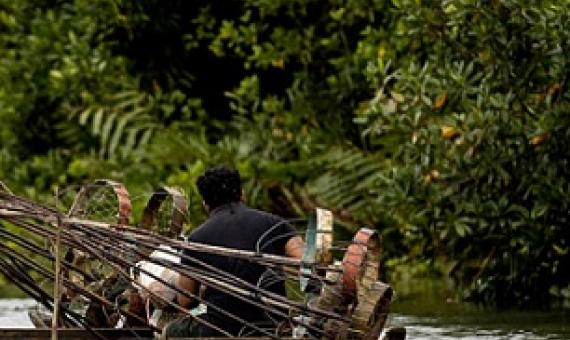
A family in Vailoa who depend on fishing for their livelihood has expressed concern about the impact of the proposed chinese-funded wharf project on marine life.
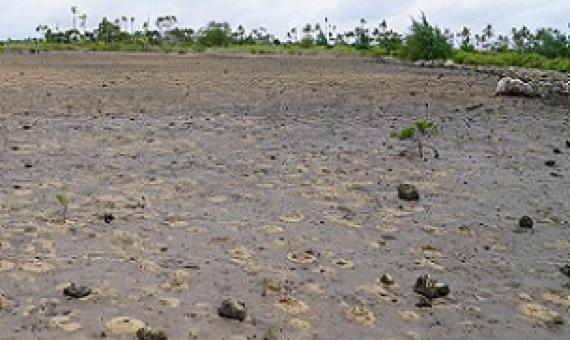
An important mangrove area at the mouth of Tongatapu’s Fanga'uta Lagoon that was destroyed in 2017 to make way for a golf course project in Popua, is slowly being restored by the Department of Environment.
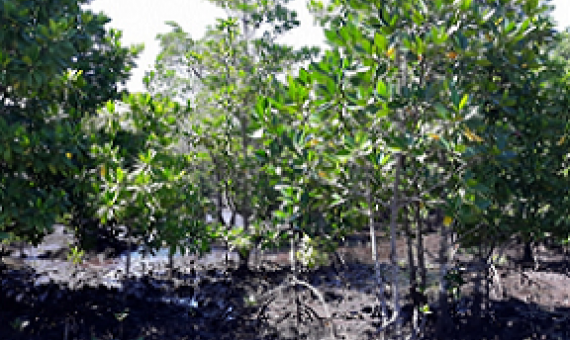
Mangrove ecosystems are at particular risk of being polluted by plastic carried from rivers to the sea.
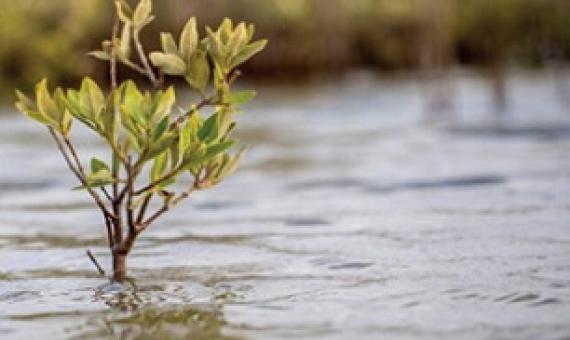
High levels of dissolved calcium carbonate present in their bedrock indicate that Red Sea mangroves are capable of removing more carbon than previously thought, KAUST researchers have found.
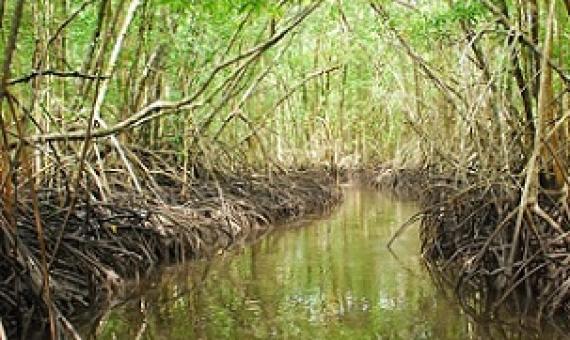
Mangrove forests along the coastlines in the Asia-Pacific region provide building materials for traditional homes, shelter fish and wildlife, protect communities from tsunamis and typhoons, and store more carbon than any other forested ecosystem in the world.
Natural habitats have the ability to protect coastal communities against the impacts of waves and storms, yet it is unclear how different habitats complement each other to reduce those impacts. Here, we investigate the individual and combined coastal protection services supplied by live corals on reefs, seagrass meadows, and mangrove forests during both non-storm and storm conditions, and under present and future sea-level conditions. Using idealized profiles of fringing and barrier reefs, we quantify the services supplied by these habitats using various metrics of inundation and erosion.
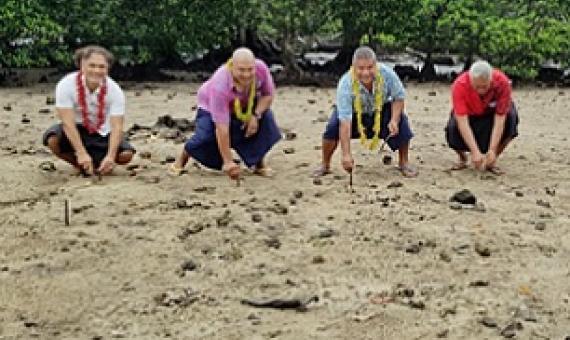
A mangrove replanting program at Siufaga Falelatai hopes to get 10,000 seedlings planted by the end of this year.
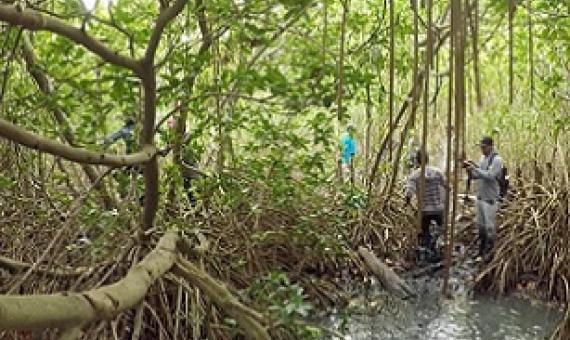
Some of the world's most valuable ecosystems are facing a "triple threat" to their long-term durability and survival, new research shows.