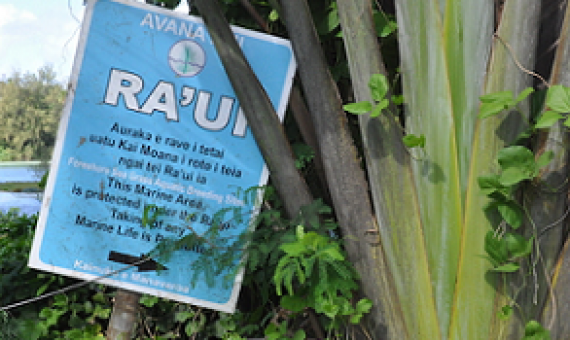
This story is part of a series on Marae Moana, the massive, recently enacted multiple-use marine protected area covering the Cook Islands’ entire exclusive economic zone.
This story is part of a series on Marae Moana, the massive, recently enacted multiple-use marine protected area covering the Cook Islands’ entire exclusive economic zone.
The present study, commissioned by the French Agency for Biodiversity (Agence française pour la biodiversité, AFB), is part of the "Pacific Biodiversity Blue Belt" project. It covers four Pacific island Overseas Countries and Territories (OCTs): French Polynesia (PF), New Caledonia (NC), Wallis & Futuna (WF) and Pitcairn (Pi). These French (PF, NC and WF) and British (Pi) territories are characterised by vast maritime areas and geographical isolation from their home States.
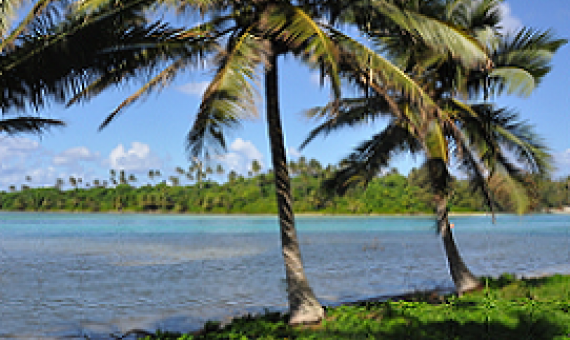
This is the third in a four-part series on Moana Marae, the massive, recently enacted multiple-use marine protected area covering the Cook Islands’ entire exclusive economic zone...
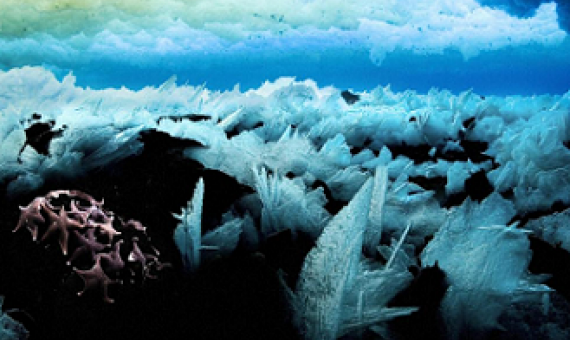
A landmark multinational agreement protecting Antarctica’s Ross Sea offers valuable lessons for similar global conservation pacts in the future, according to a new analysis coauthored by a CU Boulder researcher.

As the Cook Islands Government continues with its plans for seabed mining it has controversially dumped the person most closely associated with its famed Marae Moana. Jacqui Evans was dumped as a director of the huge marine reserve, something she was instrumental in establishing.
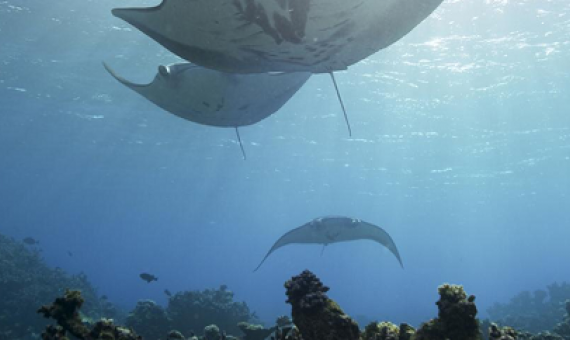
Coming to a science museum IMAX theater near you, Hidden Pacific reveals never-before-seen footage of the Pacific Ocean’s marine national monuments. These critical ocean habitats are spaces designated for important scientific ecological research.

The accumulation of marine litter in the world’s oceans over the past decades has risen. Plastic is ubiquitous, cheap to produce and extremely durable. Every piece of plastic ever produced still exists, therefore much of it has ended up, in the oceans.
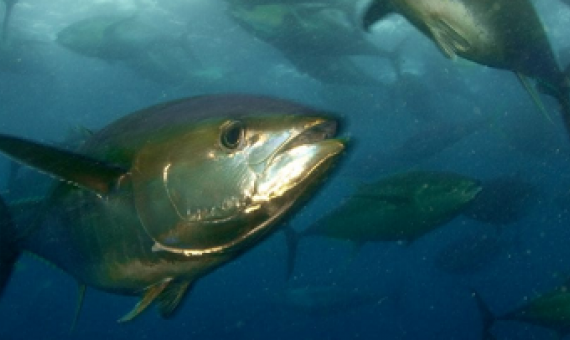
While Marine Protected Areas (MPAs) have been proven to protect certain spawning habitats and nurseries, their effectiveness for migratory species has been hard to gauge.
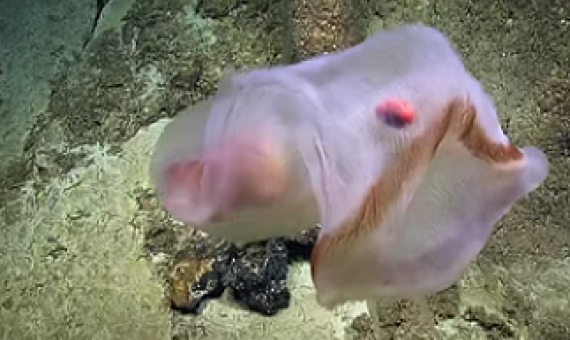
Almost 790 meters below the surface, the Ocean Exploration Trust expedition recorded the unusual discovery on YouTube and other social networks on video.
The high seas begin 200 nautical miles from coastal shores, beyond the jurisdiction of any country. Their vast expanse and distance from shore pose challenges for exploration and knowledge gathering. However, scientific expeditions in recent years have revealed that these areas, which make up nearly two-thirds of the world’s ocean, harbor an incredible array of species that provide essential services for life on Earth.